
Frontera El Espino Travel Guide: Every Question Answered
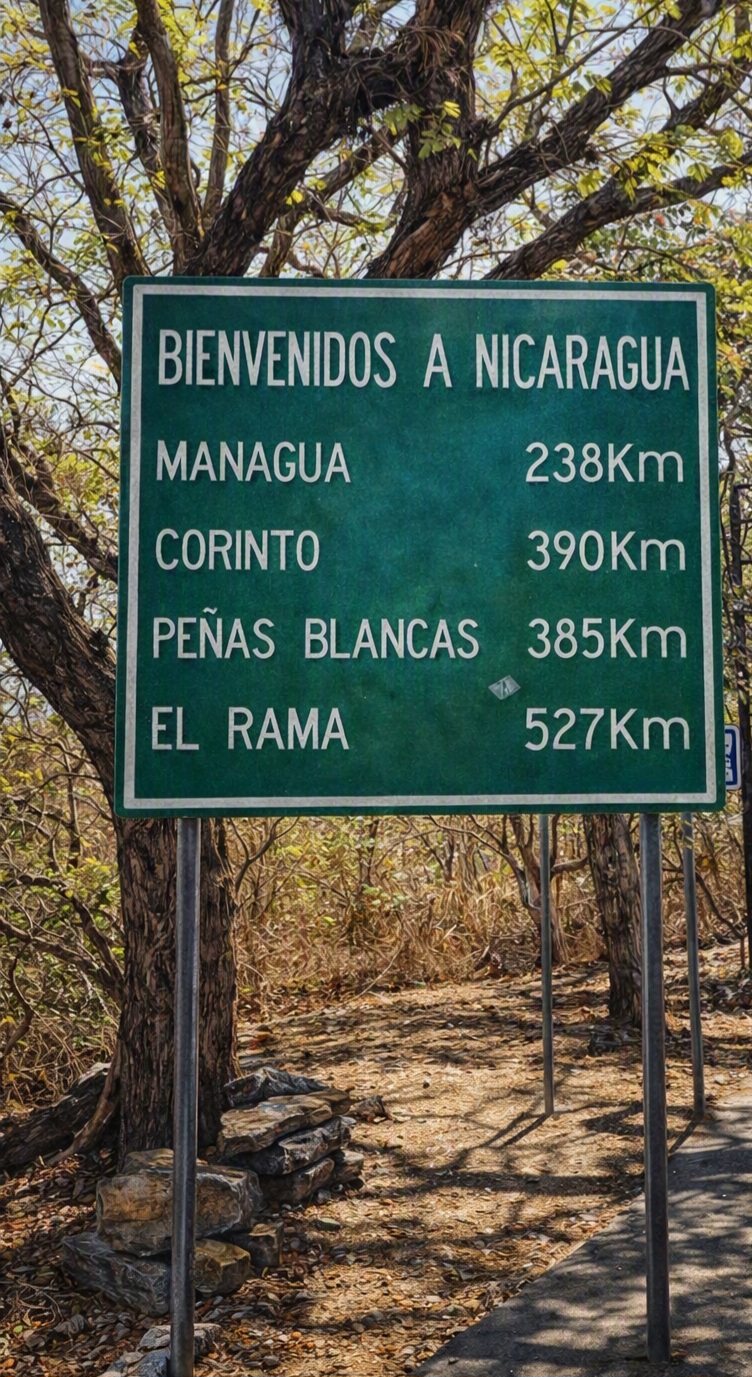
Frontera El Espino is an alternate border crossing into Nicaragua via San Marcos de Colon, known for excellent value lodging, clean accommodations, and attentive owners. The area offers pleasant mountain weather, lower traffic than other crossings, and strategic access for travelers heading south.
Prices and Lodging Value
What is the price-to-quality ratio for accommodations in Frontera El Espino?
Travelers consistently highlight exceptional value for money at lodgings in Frontera El Espino, with clean rooms and owner-led service that goes beyond standard expectations. The community praises comfortable bedrooms and delicious breakfasts as standout features, though some older properties show maintenance wear over time. Many visitors note the price-to-comfort ratio makes the town especially appealing for families planning extended stays or multiple nights near the border.
What services come with the rooms—breakfast, WiFi, air conditioning?
Most accommodations include breakfast, and owners are known for personalizing service to guest needs. WiFi is often available, though connectivity speeds vary by property. A few travelers have noted that some older rooms lack air conditioning, though the mountain climate tends to stay pleasantly cool, making this less of a concern than in lowland areas.
Food and Dining Options
What food and restaurant options are available?
Budget-conscious travelers can eat well on $2.50–$5 per day, with breakfast around $2.50, lunch near $4, and dinner around $5. Mid-range dining runs $6–$14 per meal (roughly $30 per day), while upscale options range $12–$30 per meal ($64 per day total). Most lodgings serve breakfast on-site, and small comedores and family-run restaurants dot the town center.
Getting There and Getting Around
What is the current condition of roads and transport to Frontera El Espino?
The logical starting point is Choluteca, which connects to Frontera El Espino with less traffic than the El Guasaule crossing farther east. Local roads experience potholes and limited nighttime lighting, so avoid driving secondary routes after dark, especially the western CA-4 highway. For longer distances within Honduras, executive bus lines like Hedman Alas, Casasola, Diana Express, and Mi Esperanza cost more than local colectivos but offer greater comfort and safety.
Is Frontera El Espino a good location for traveling to Nicaragua from here?
Yes—the town serves as an alternate border crossing into Nicaragua via San Marcos de Colon, with notably lower congestion than major crossings elsewhere in Honduras. The strategic location makes it ideal for travelers heading south without the wait times and crowds of more popular routes. Immigration and customs processing is straightforward at this smaller crossing.
Safety and Local Customs
Is it safe to stay and walk around at night in this area?
The community advises against walking alone after dark in Frontera El Espino, as in most border towns. During daytime, the town is walkable and welcoming; stick to main streets and travel with a companion in the evening. Keep your passport accessible for the frequent preventive police checkpoints on the Caribbean CA-13 highway if you venture beyond the town.
Climate and Best Time to Visit
What is the weather like in Frontera El Espino?
The climate is templado (temperate/cool mountain weather), which many travelers describe as pleasant and comfortable year-round. You will not experience the intense heat of coastal lowlands, though the cool temperatures mean bringing a light jacket or sweater for evenings. Rainfall varies seasonally, so check conditions before you travel if weather is a concern for your activities.
For families planning a family trip through Honduras, Frontera El Espino’s reliable lodging value and mountain climate make it a practical base for border logistics without sacrificing comfort.
This post contains affiliate links. If you book through them, we may earn a small commission at no extra cost to you.
Comments are closed