
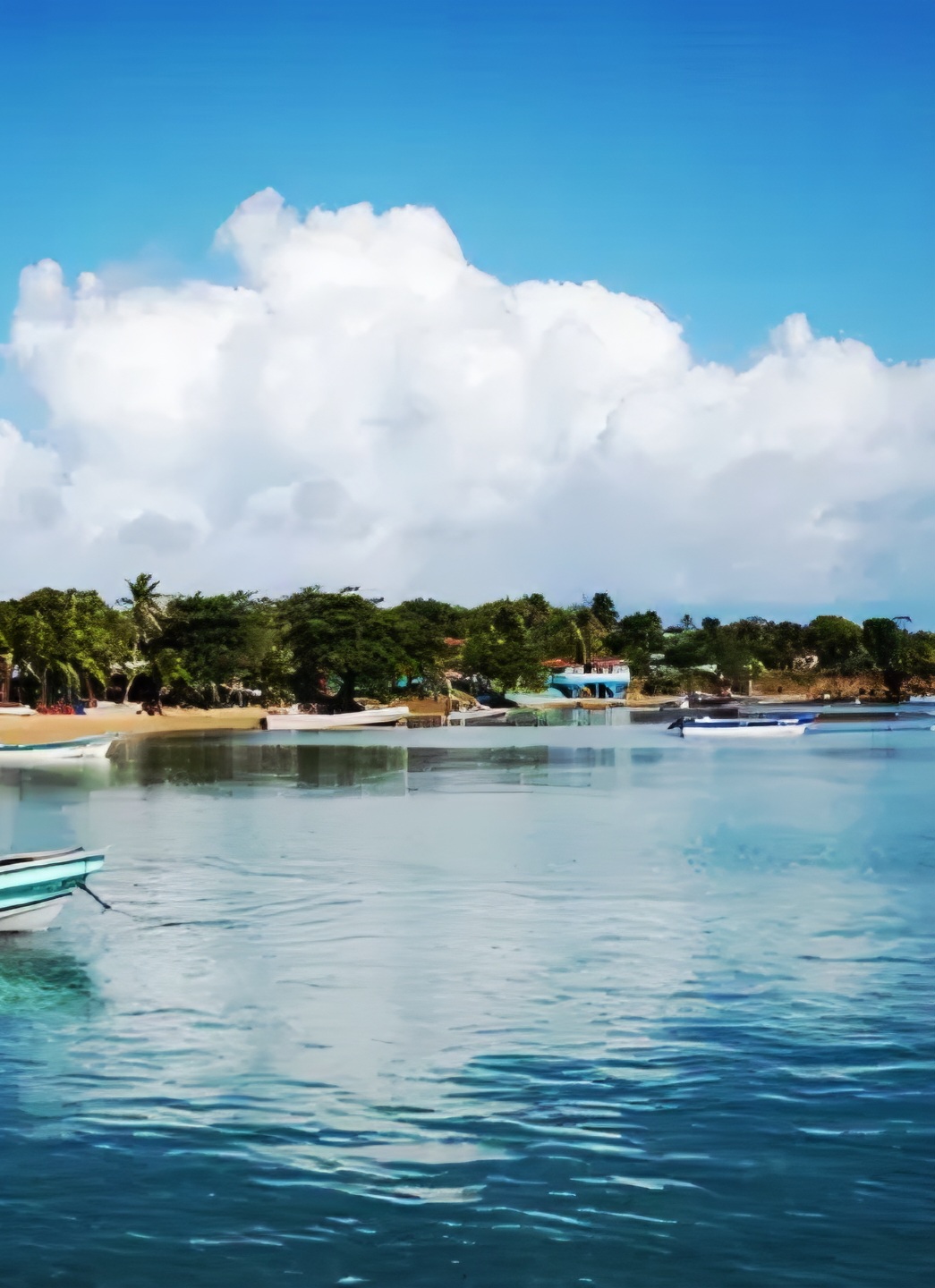
Understanding Little Corn Island: Car-Free Caribbean Diving
What Is Little Corn Island Known For?
Little Corn Island is a car-free Caribbean island where paths replace roads, diving and snorkeling define the experience, and complete disconnection from the mainland pace is the real draw. Located off Nicaragua’s Atlantic coast, this tiny island attracts travelers seeking pristine reef access and a slower rhythm without the noise and congestion of vehicle traffic.
The island’s defining feature is its roadless design—no cars, no motorcycles, just walking trails connecting beaches and settlements. The Caribbean climate stays warm year-round, and the reefs surrounding the island support healthy coral ecosystems and abundant marine life.
Key Highlights
- Car-free island with walking trails only; no vehicle noise or exhaust
- Caribbean diving and snorkeling on nearby reefs (rated activities from $35–$55 per immersion)
- Pristine beaches accessible by foot; free to explore with just a flashlight for evening walks
- Total isolation and disconnect from digital pace; minimal commercial development
- Warm, tropical Caribbean climate year-round
- Affordable meals ranging from $2–$4 (budget) to $10–$25 (upscale) per day
How It Compares Within Nicaragua
Nicaragua broadly captivates travelers with volcanic landscapes, freshwater lakes, and exceptionally low costs—plus the warmth of its people. Little Corn Island strips away all of that except the warmth and low costs, replacing mountains and lakes with Caribbean reef diving.
Unlike mainland Nicaragua, where you’ll want to avoid driving after dark due to loose animals and unlit vehicles, Little Corn Island has no vehicles at all, eliminating that concern. The island embodies the same budget-travel ethos as the rest of the country but in an island isolation that most mainland destinations cannot match.
Where To Experience It
Senderos y Playas Sin Carros (Trails and Car-Free Beaches)
Exploring on foot is free and the backbone of island life. Bring a flashlight if you plan evening walks—the trails are unlit and the darkness on a small island is total. The experience is intentionally minimal: no entry fees, no guards, just open trails and sand.
Buceo y Snorkel (Diving and Snorkeling)
The reefs around Little Corn Island are the main attraction for serious divers. Certified dive operations on the island offer immersions in the $35–$55 range per dive. Dolphin Dive, a sporting goods and dive shop, is rated 4.8 out of 5 across 186 Google reviews and operates directly on the island. Snorkeling is accessible to beginners and often included in boat trips organized by local operators.
Getting There and Practical Essentials
Little Corn Island is reachable only by boat (panga, a traditional wooden motorboat) from Big Corn Island, the larger neighboring island. The crossing takes approximately 30 minutes and can be rough depending on sea conditions. The typical route to Big Corn from the Nicaraguan mainland is a domestic flight on La Costena airlines from Managua—the recommended option if you want to avoid the long overland route via Bluefields.
Food costs align with Nicaragua’s low-price structure. Budget travelers spend $9 per day eating breakfasts around $2, lunches at $3, and dinners at $4. Mid-range travelers budget $25 per day ($5 breakfast, $8 lunch, $12 dinner), while upscale dining reaches $53 daily ($10 breakfast, $18 lunch, $25 dinner).
The island’s total isolation is intentional. No cars means no engine noise, no light pollution beyond a few residences, and no rush. If you come seeking reef diving, pristine beaches, and genuine disconnection, Little Corn Island delivers exactly that. If you need reliable internet, restaurant variety, or nightlife, other Nicaraguan destinations are better suited.
For divers seeking Caribbean reefs without committing to a land-based resort, or travelers wanting an island where isolation is guaranteed by design rather than luck, Little Corn Island is among Central America’s most authentic small-island experiences. Plan your timing carefully, bring cash, confirm your dive certification, and embrace the absence of wheels.
Compare flights to Managua to begin planning your route to the Corn Islands.
This post contains affiliate links. If you book through them, we may earn a small commission at no extra cost to you.
Comments are closed