
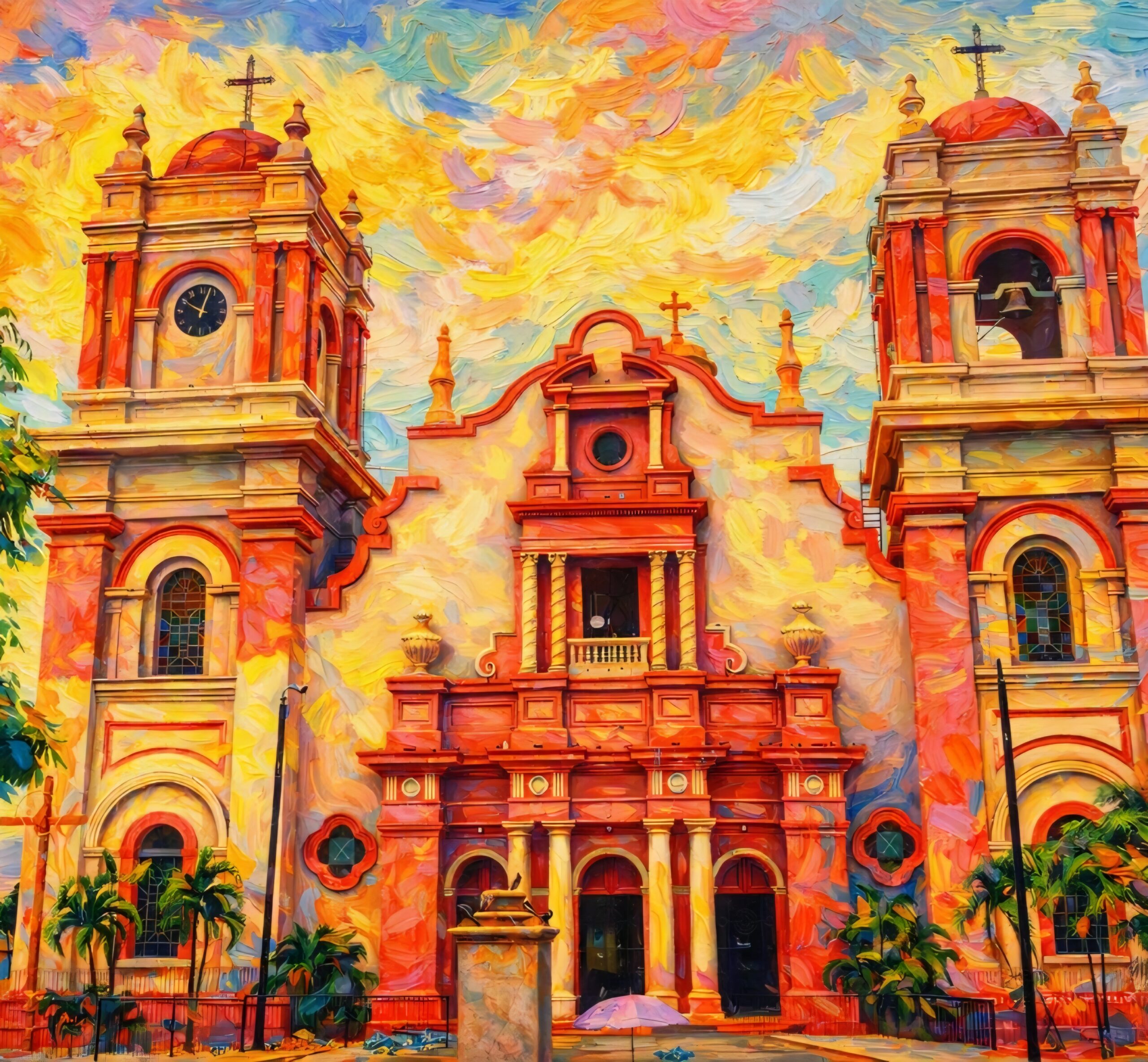
What Is San Pedro Sula Known For?
San Pedro Sula is Honduras’s industrial capital and northern transport hub, distinguished by its excellent food scene, modern hotel and restaurant infrastructure, and role as the country’s largest transportation gateway. The city hosts both the international airport (SAP) and the nation’s busiest bus terminal, making it the de facto arrival and departure point for most travelers heading to Copán Ruins, La Ceiba, or the Bay Islands.
Key Highlights
- Reputation for high-quality grilled meats and steaks; travelers consistently praise the food quality and service
- Modern, clean hotels and restaurants with professional staff and competitive pricing
- Aeropuerto Ramón Villeda Morales (SAP) and the country’s largest bus terminal for onward travel
- Accessible food costs—breakfast from $2.50, lunch around $4, dinner around $5 at budget-friendly spots
- Warm, personalized service noted repeatedly by the traveler community
- Strategic location as the northern gateway to major destinations like Copán and the Caribbean coast
How It Compares Within Honduras
San Pedro Sula functions as Honduras’s northern corridor hub, serving as the primary entry and exit point before heading inland to archaeological sites or coastal destinations. Unlike beach-focused towns or mountain retreats, the city emphasizes modern amenities, logistics efficiency, and urban hospitality. Its climate is warm year-round, making it a transit hub in any season rather than a weather-dependent destination.
Where To Experience It
Most travelers arrive at Aeropuerto Ramón Villeda Morales and proceed directly to the city’s bus terminal or onward to destinations like Copán Ruins or La Ceiba. For those staying overnight or between connections, the city’s dining and hospitality infrastructure merits exploration.
The Food Scene
Travelers consistently highlight the quality of grilled meats and steaks as the defining culinary strength. Service is noted as attentive and personalized across establishments. Budget-conscious travelers report that breakfast costs around $2.50, lunch approximately $4, and dinner roughly $5 at economy-friendly venues.
Mid-range dining runs $6 to $14 per meal, with breakfasts at $6, lunches near $10, and dinners around $14. Higher-end options range from $12 to $30 per plate. An experienced tip from the traveler community: order individual cervezas rather than cubetas (buckets), and watch for promotions like “Meat Monday.”
Hotels and Lodging
Accommodations receive consistent praise for cleanliness, modern infrastructure, and friendly staff. The community sentiment strongly favors the value proposition—prices are widely described as accessible and fair relative to the quality provided. Mid-range and upscale properties maintain high service standards, making overnight stays reliable between connections.
Best Time to Visit San Pedro Sula
The climate is caliente (hot) year-round, so seasonal variation is minimal. Travel timing typically depends on onward connections rather than local weather. For regional exploration, consider timing your arrival or departure through the bus terminal to align with ferry schedules to the Bay Islands or buses to archaeological sites.
Getting Around and Onward Travel
San Pedro Sula’s bus terminal is the country’s largest and serves as the hub for reaching Roatán, La Ceiba, Copán, Trujillo, and other regional destinations. For long-distance journeys, experienced travelers recommend executive-class bus lines—which typically include Hedman Alas, Casasola, Diana Express, and Mi Esperanza—over budget options, as the price difference justifies improved comfort and safety.
To reach the Bay Islands by ferry, travel first to La Ceiba via bus, where ferries depart from the caboatage dock. Strong waves are common on these crossings; experienced travelers suggest bringing motion-sickness tablets if prone to seasickness.
Practicalities for Arrival and Departure
Aeropuerto Ramón Villeda Morales (SAP) is modern and well-maintained. Pre-arrange your transfer to the city center or directly to the bus terminal if continuing onward. Book ground transportation through a pre-arranged transfer service to avoid negotiation delays and ensure reliable service from arrival.
The city center and the surrounding neighborhoods are accessible by short collectivo rides at low cost. For a comprehensive regional perspective, check the Honduras travel guides hub for itinerary planning and neighboring destinations.
This post contains affiliate links. If you book through them, we may earn a small commission at no extra cost to you.
Comments are closed